
Listening to Bill: what the “turbulent AI era” means for the people who make workplaces
Bill Gates’s essay on the turbulent AI era is neither doomer nor cheerleader — and that middle ground is uncomfortable. If he’s broadly right, what does it mean for the people who plan, create and manage corporate workplaces? Thinner offices, an expertise pipeline at risk, and a retraining story that doesn’t add up.
330 workplace experts walked into a room…
Last week we spent the day at the CoreNet Global Australia Summit in Sydney - 330 people, 137 organisations, and this year’s theme was “The Value Shift”. The people who commission, design, lease and run most of Australia’s workplaces were all in one room, being told value has shifted. So had it? And more to the point - who’s doing the shifting?
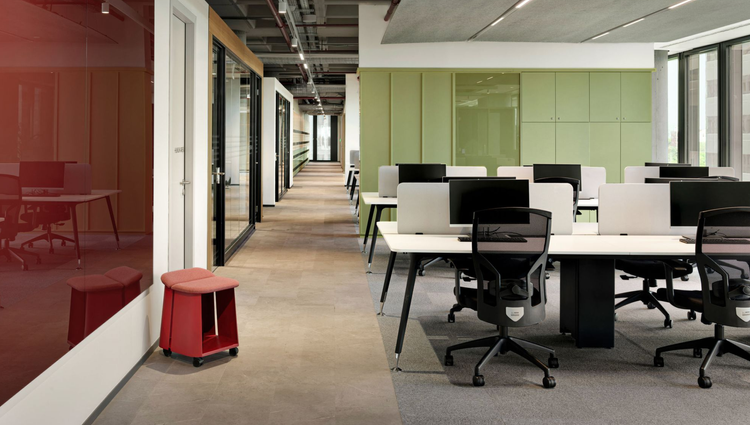
Please Don't Come to the Office: We only have 1,000 empty desks!
A major organization discovered they had over 1,000 unused desks at peak occupancy. The problem wasn't space—it was permission. And the missed opportunity to reset behaviors during reoccupation left them with an ironic solution: limiting office attendance in a workplace designed to bring people together.
Mission Impossible: Hybrid Space and AI
And there goes another workplace strategist's confidence, because frankly, Ethan Hunt would have a better chance of defeating another rogue AI than accurately predicting office space requirements in 2025. So what does it take to plan a hybrid workplace when the data keeps shifting and AI keeps moving the goalposts?
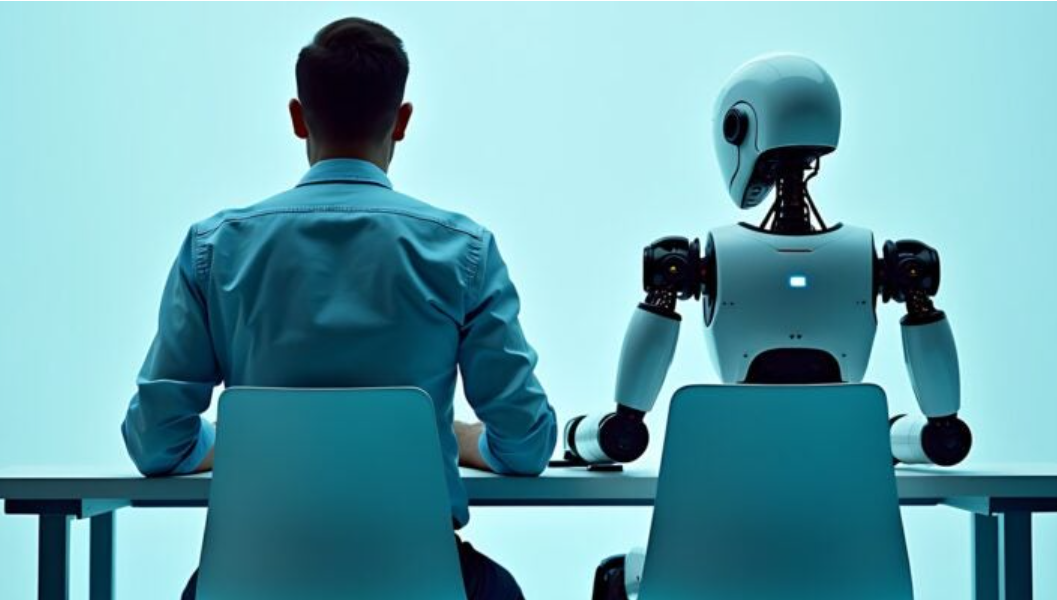
The Experience Paradox: Your Organisation's Expertise Cliff is Coming—Are You Ready?
For decades, professional development has followed a predictable path: graduates begin their careers with routine, entry-level tasks before gradually taking on more complex responsibilities. This apprenticeship model, whether formal or informal, has been the foundation of expertise development across industries.

Workplace Change and the Legend of Sisyphus
For those not up to speed on their Greek mythology, Sisyphus was the legendary king of Ephyra (now Corinth). He was infamous for his craftiness – at one point, he even managed to chain up Thanatos (Death himself), temporarily preventing anyone on Earth from dying.
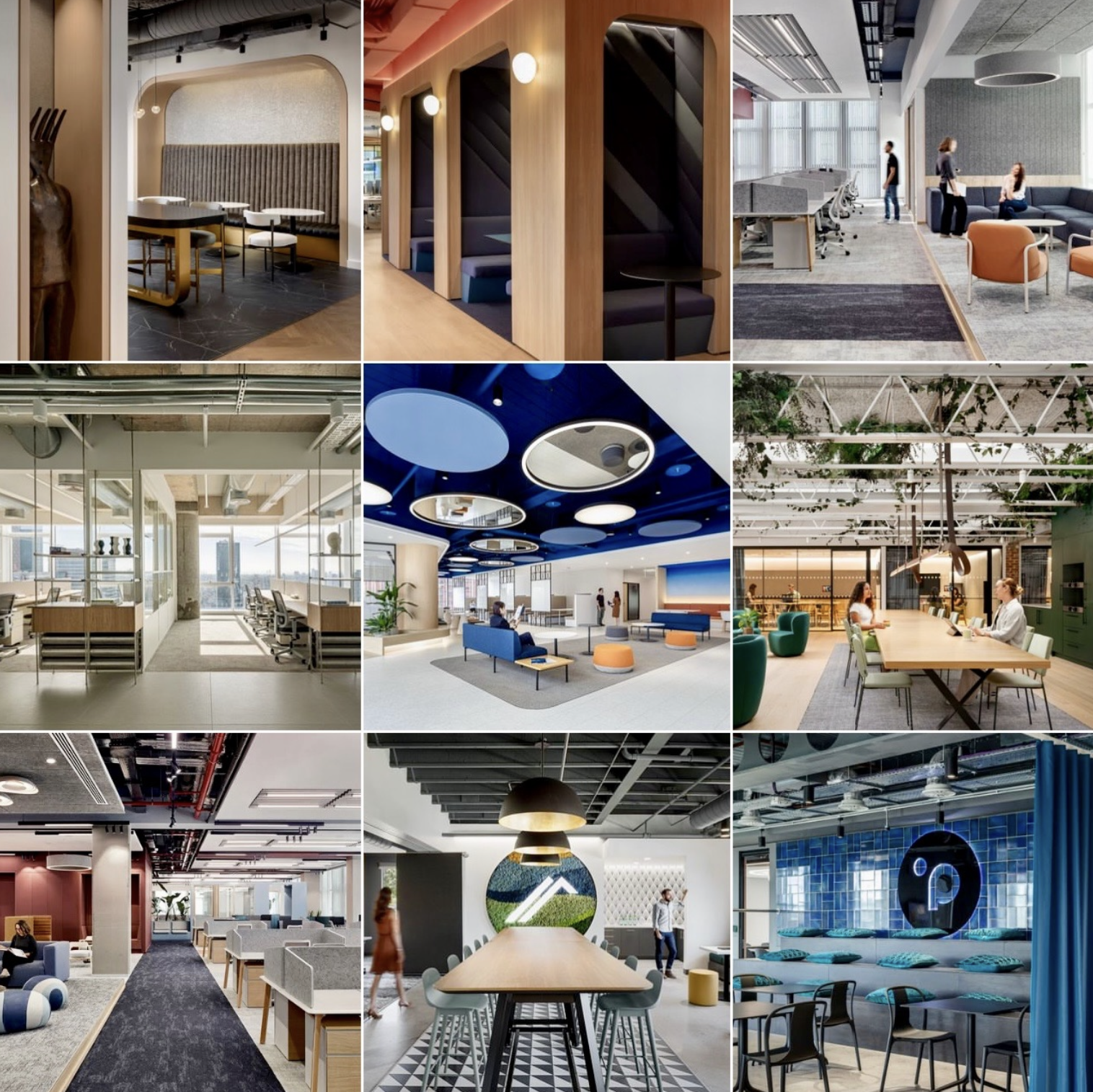
It’s All About the People – Not the Instagram Image!
As the differences in the physical spaces organisations occupy become less it seems like we might have arrived at the generic modern workplace, albeit with an overlay of brand and elements to make it look different (even though it may not function differently).
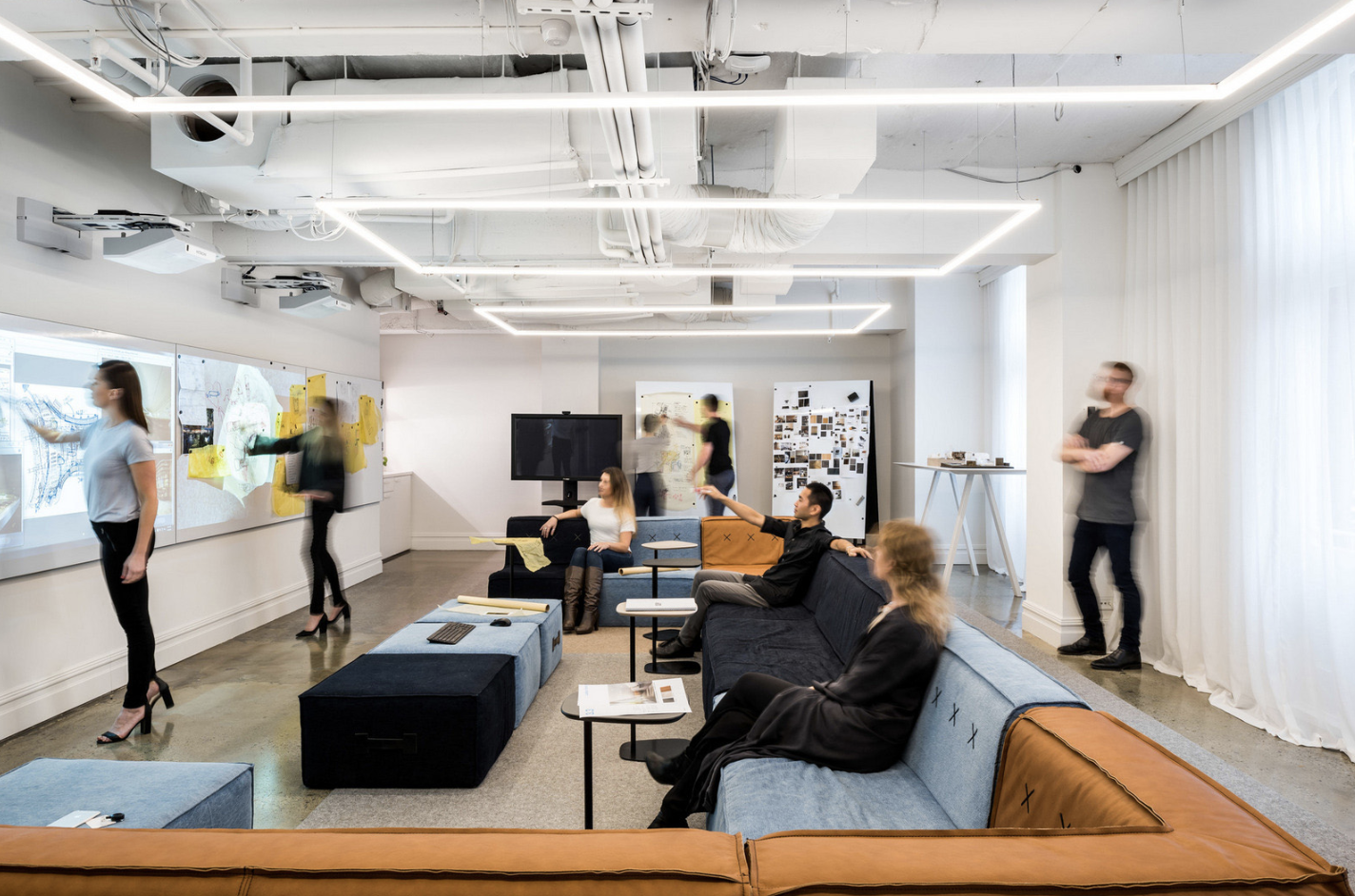
How teams can build the best hybrid workplace cultures
The key to building an enjoyable and productive workplace culture to support hybrid work is to empower managers and teams to be build it themselves – with some curation.
Here are some ideas that could improve the outcomes for an organisation who want to make a hybrid workplace, work better for the business:
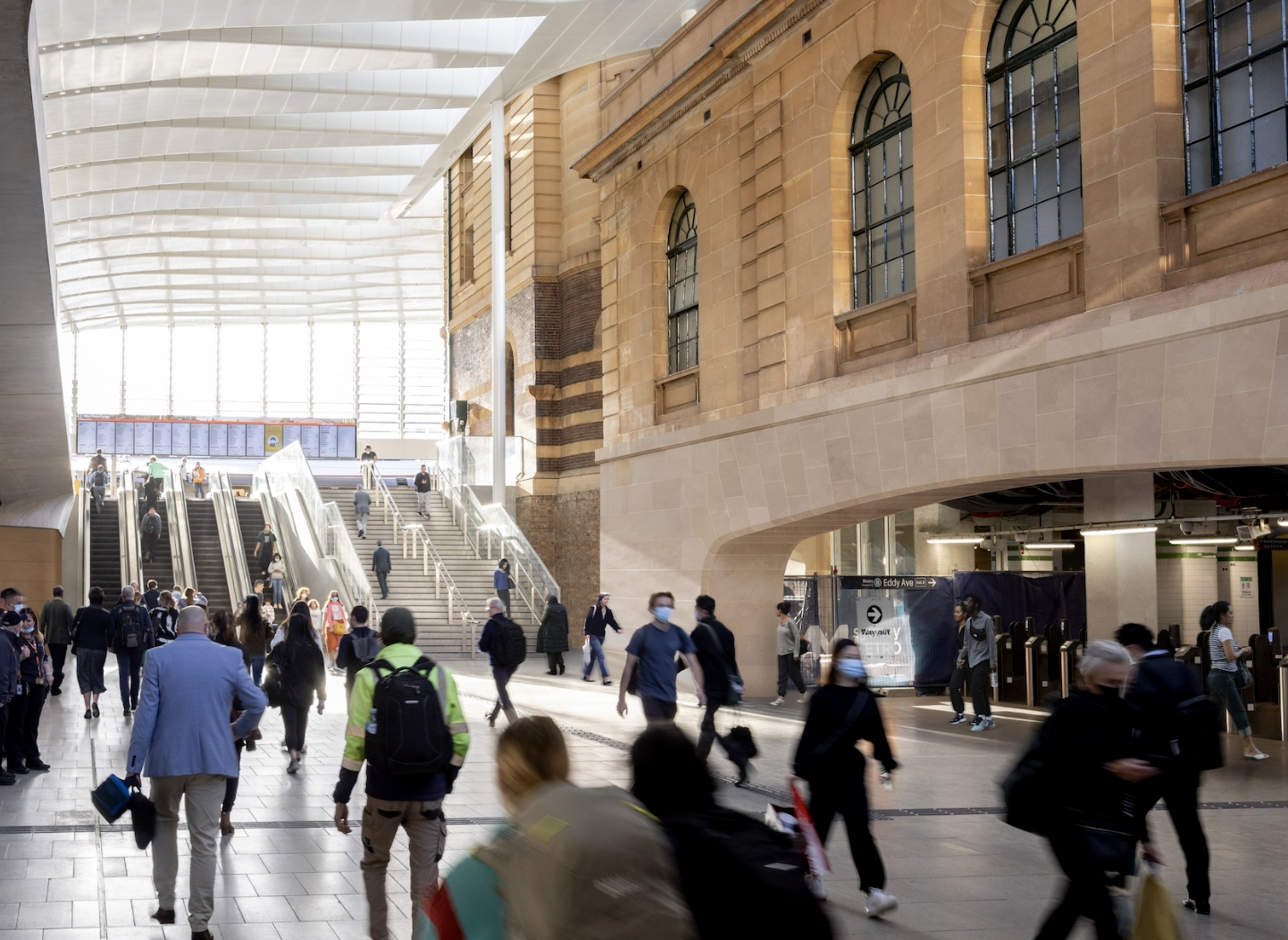
The alternative to the mandate – an office where people want to be
Last month, we explored how mandating office returns can backfire, leading to decreased engagement and potential talent loss. This month, we’re taking a more positive approach: How can organisations create an environment that naturally draws people back to the office?
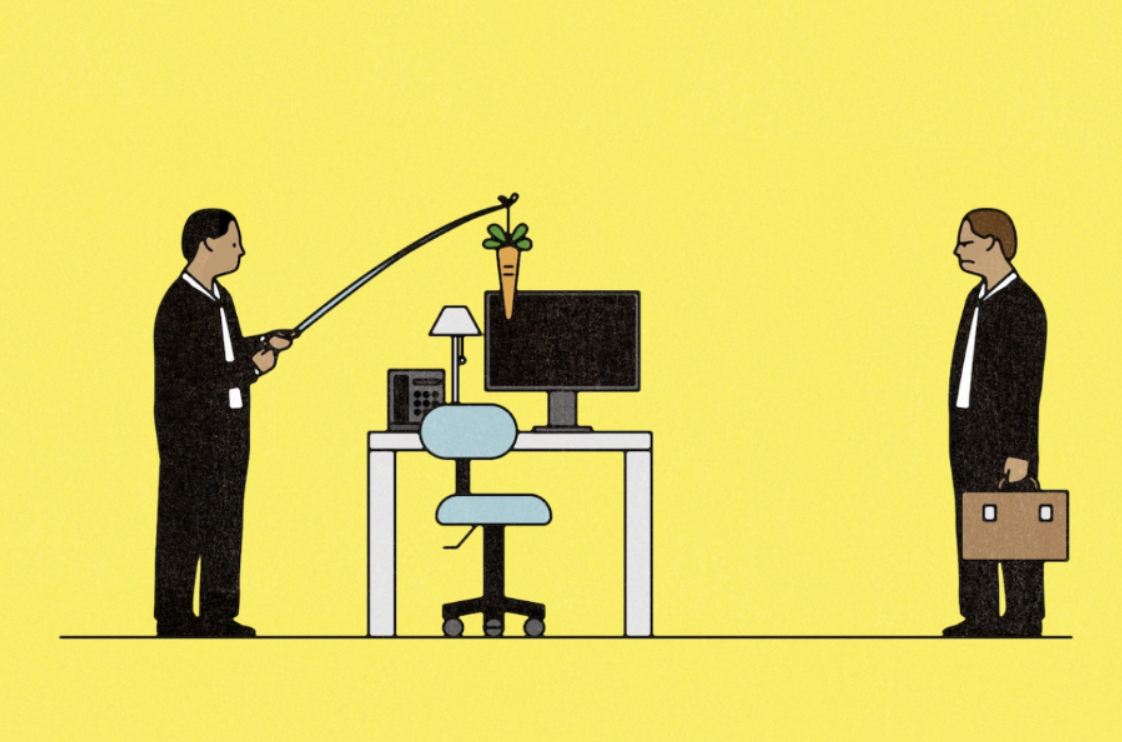
How NOT to get people back to the office
As businesses contemplate the future of work, for many there is an ongoing disconnect about how much time people spend in the office. Simply many employers want people back in the office more than their employees want to be back. Many different strategies are being tried – some successful and some not.
What is coffee badging?
Coffee Badging has come under renewed scrutiny as a way for employees to skirt the requirements. Companies like Amazon and Dell have tried to crack down on coffee badging by enforcing minimum in-office time policies. But what does this behaviour really tell us about how people value their time in the office?
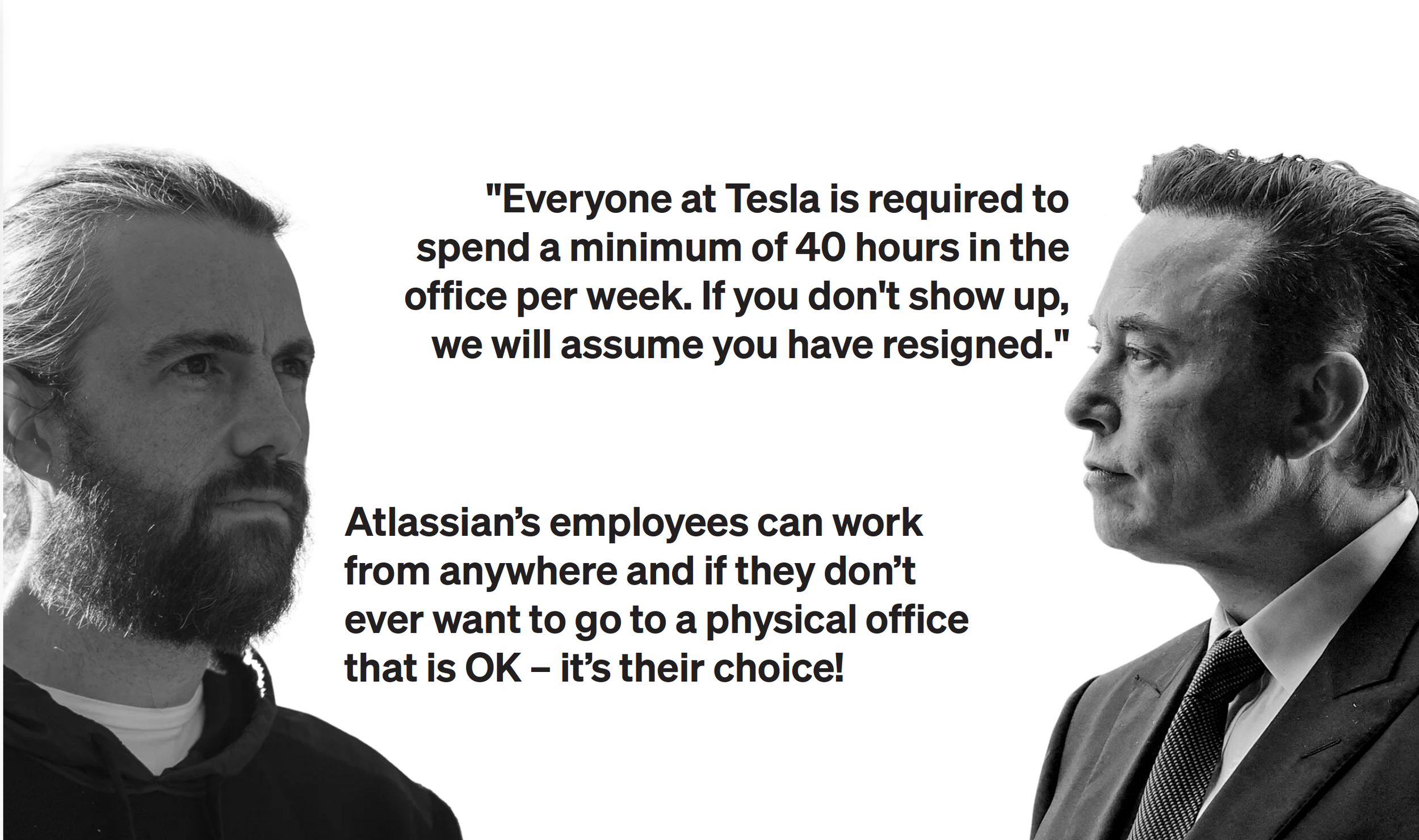
The Office vs. Remote Work Showdown
The extremes do not work for everyone, and most companies find themselves navigating a complex middle ground. This is because workplaces are diverse ecosystems where different tasks require different environments. Some jobs thrive on quiet focus, while others flourish with face-to-face collaboration.
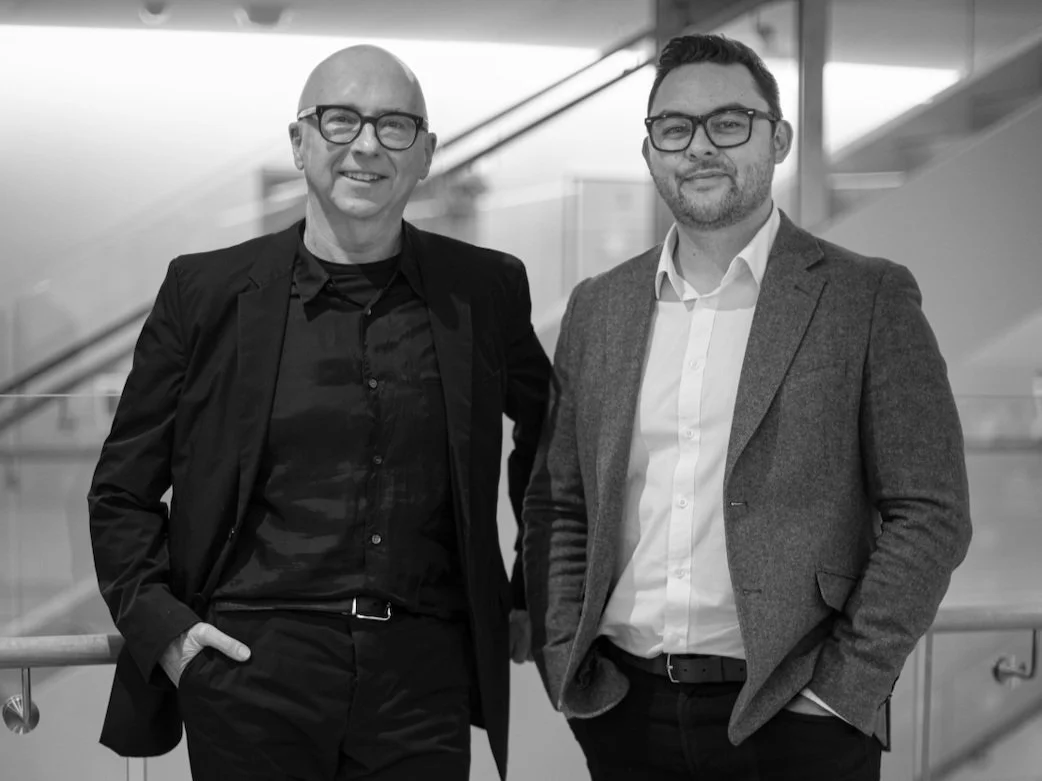
Next Workplace’s Next Director!
Next Workplace’s Founder, Stephen Minnett is very excited to announce that Stuart Munro is joining him as a Director and Co-Owner of Next Workplace, bringing with him a wealth of experience in workplace change management and strategy. This is a bold move to address the evolving challenges of modern workplaces.
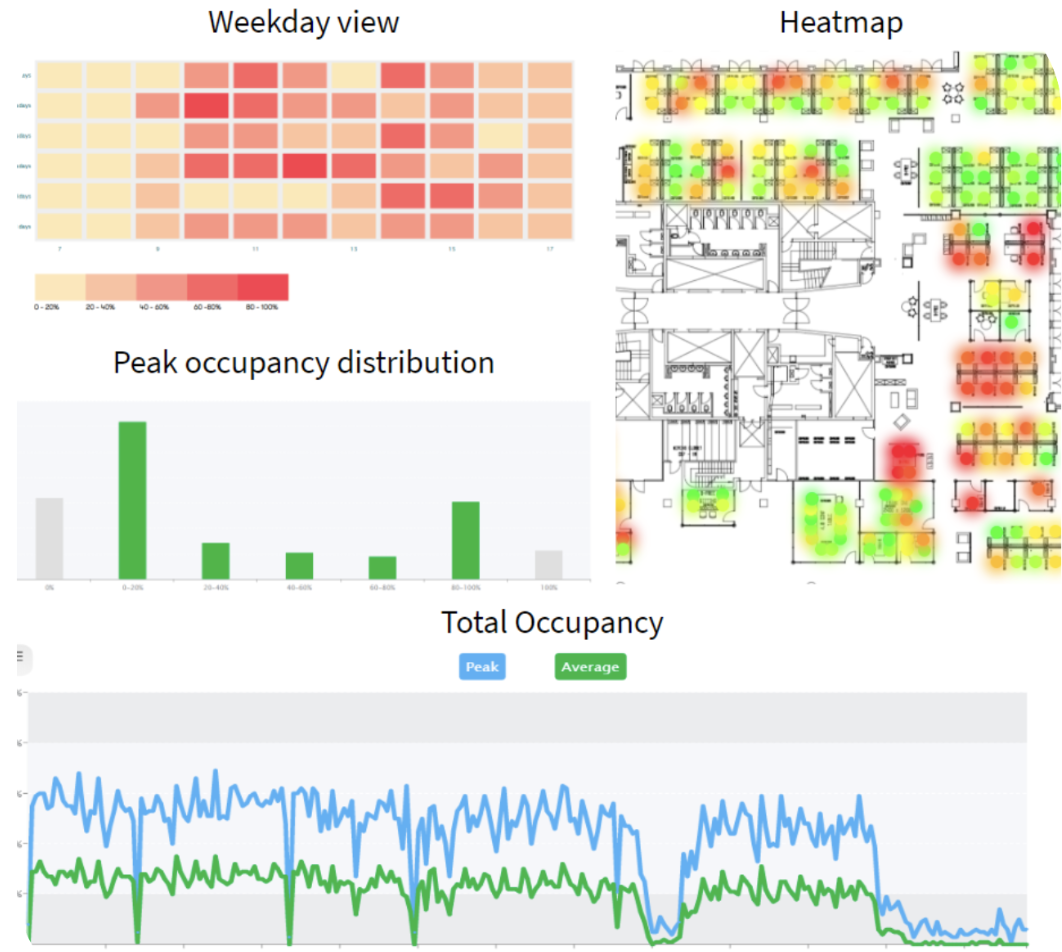
What Your Workplace Data Can’t Tell You
As workplace strategists, we often find ourselves inundated with data about office occupancy and space utilization. The focus, understandably, tends to be on peak occupancy days. After all, companies are eager to "right-size" their workplaces, ensuring they're not overcommitting to space and unnecessary costs.
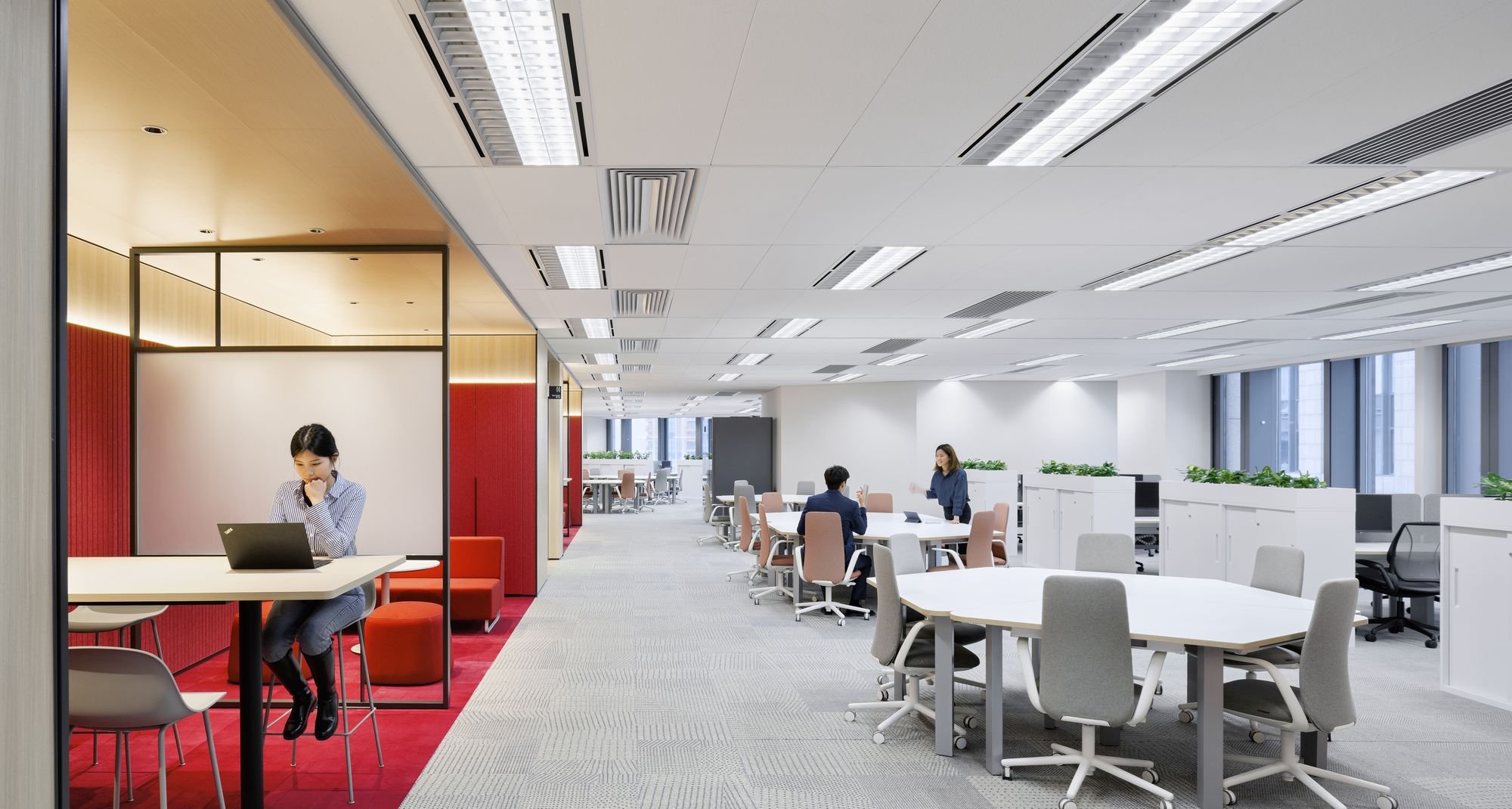
Hybrid Workplace Design: Don’t Make This Mistake
In the rush to embrace hybrid work models, many organizations have fallen into a common trap when redesigning their workplaces. The focus has overwhelmingly been on accommodating peak occupancy days - typically Tuesday through Thursday - when the majority of employees choose to come into the office.

Workplace Occupancy Levels and Behaviours
Accurately tracking and understanding workplace occupancy patterns has become increasingly important as companies look to optimise their real estate usage in the era of flexible work. Traditional methods like security swipe data and manual headcounts can provide some insights, but often have significant limitations.
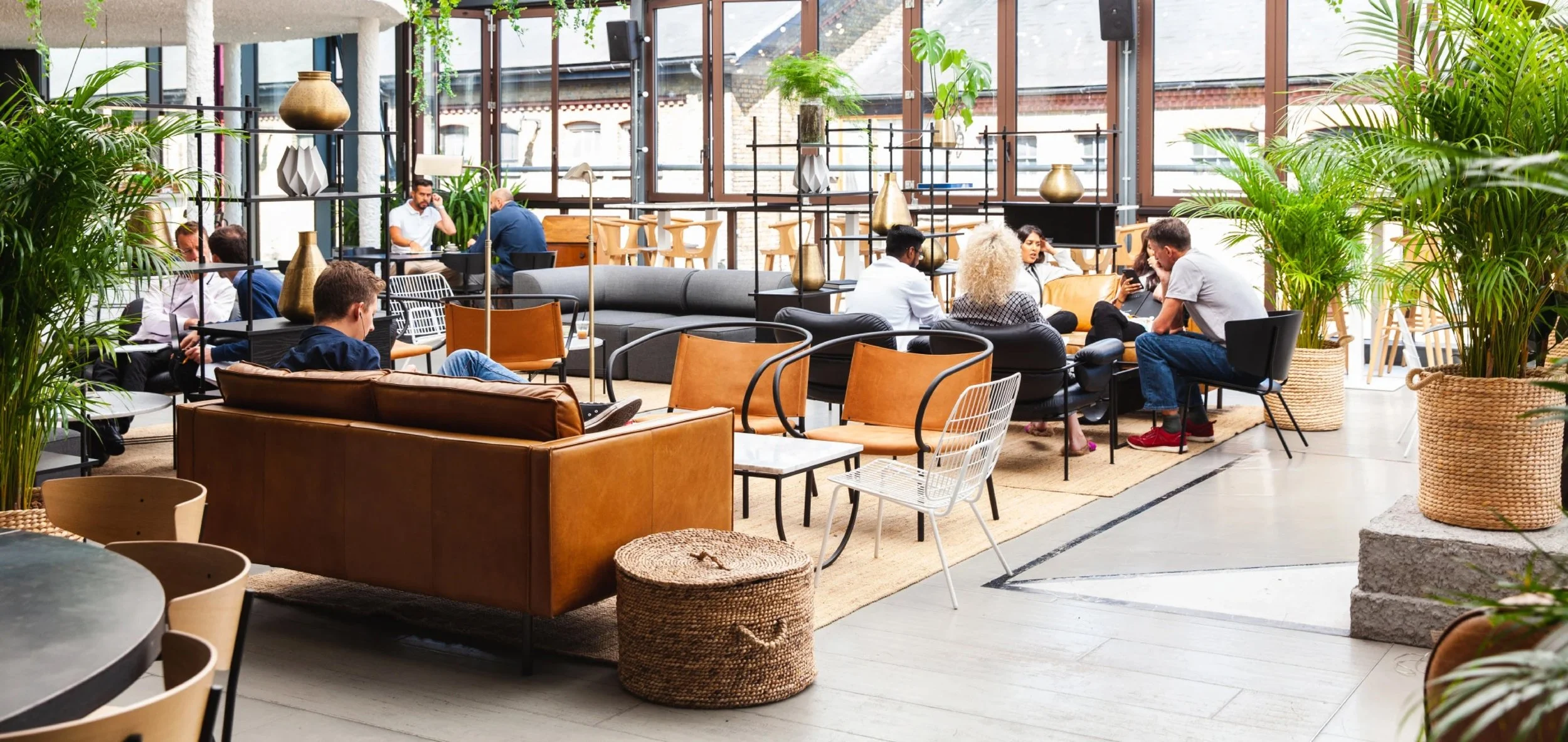
When Coworking Stops Working
Today I went to my coworking office in the Sydney CBD, and it was a scene of utter chaos. Every single desk was taken, with not a free workstation in sight. And out of the 40 private phone rooms, all of them were occupied - not a single one was available.
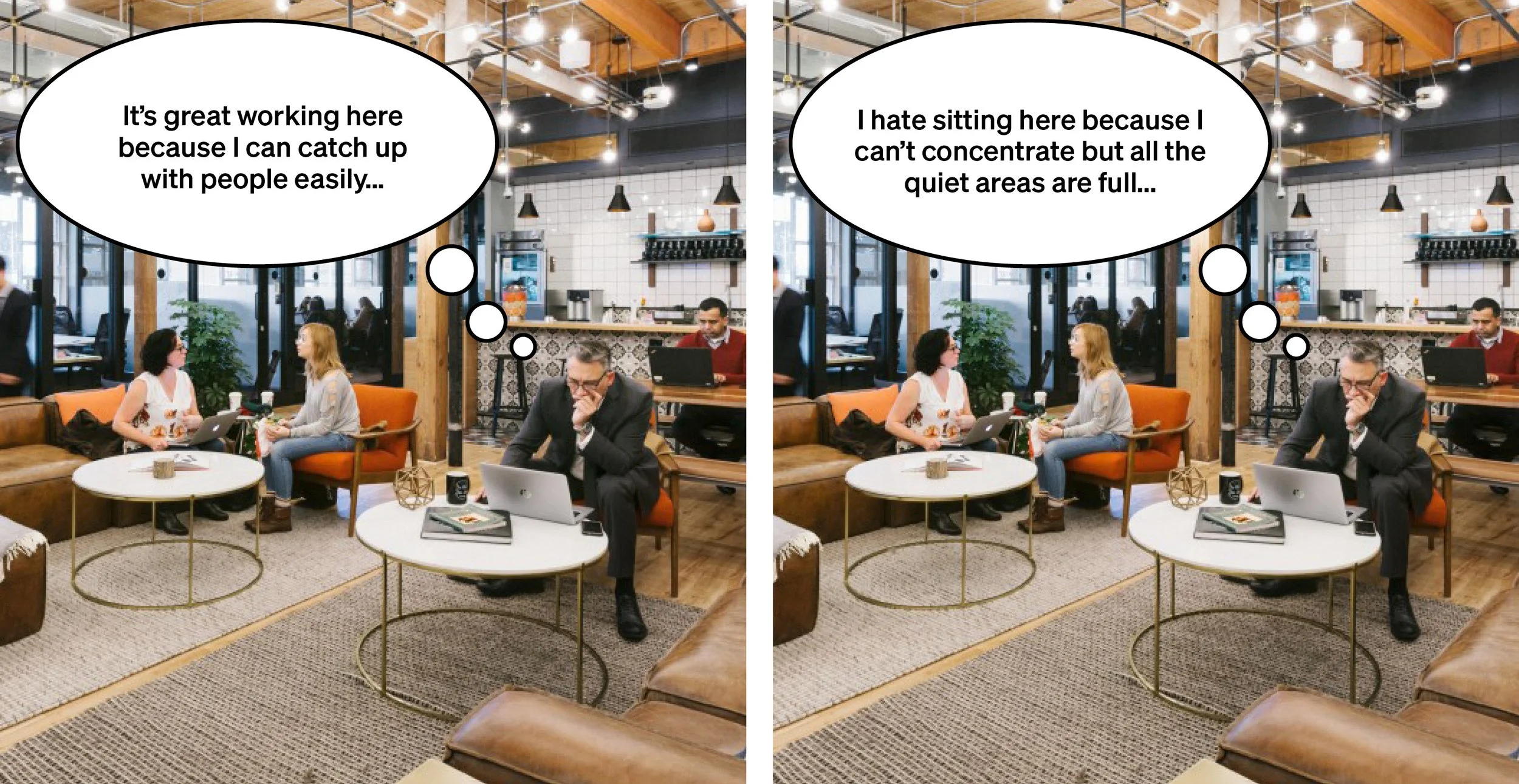
Hybrid Working and Workplace Data
Last month, I wrote about Basking, an AI-powered occupancy analytics platform that can deliver accurate, real-time data on how our workspaces are actually being used. Basking integrates seamlessly with a company's existing Wi-Fi infrastructure to anonymously track the location of connected devices.
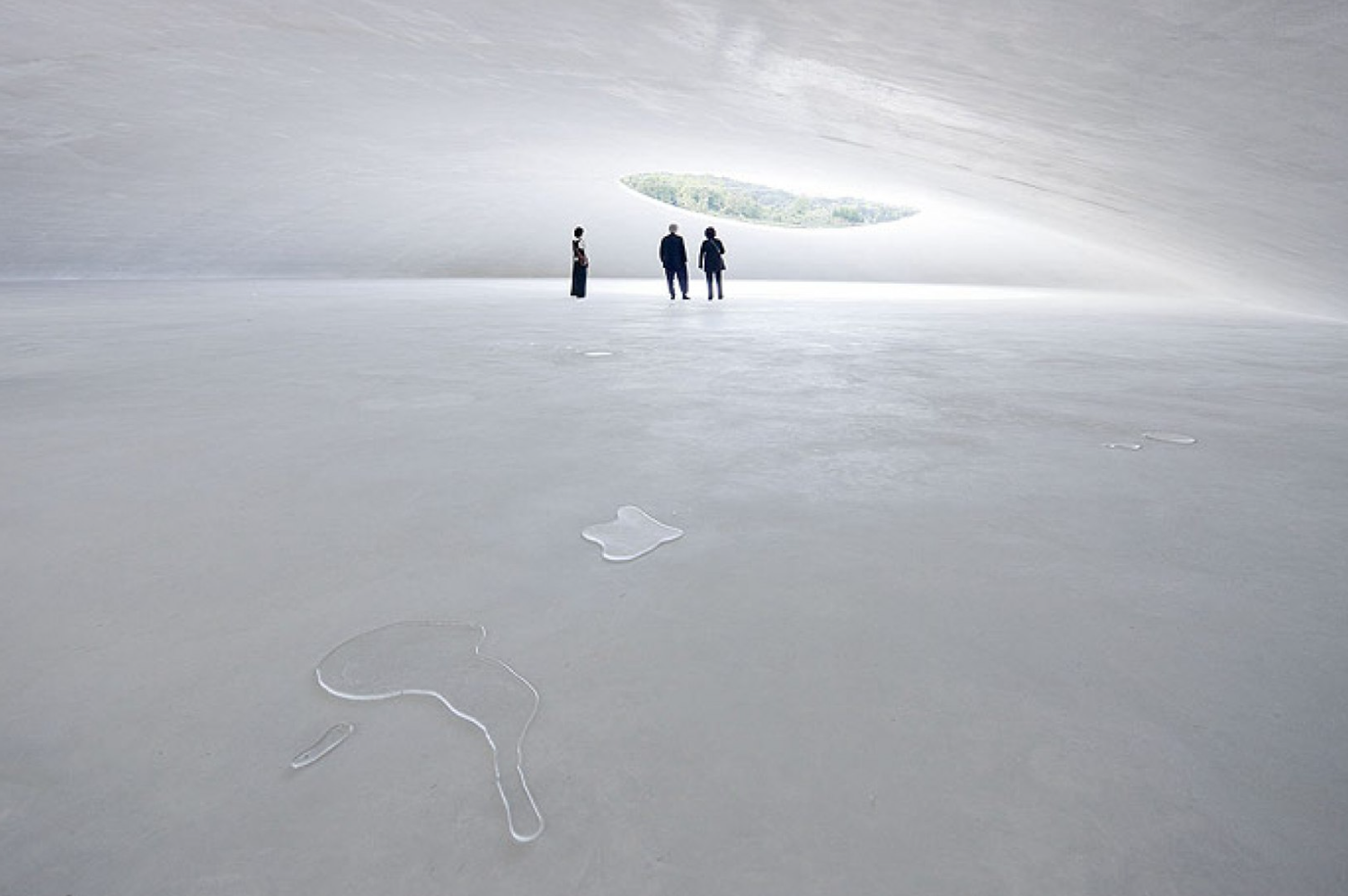
The Art of Transformation: From Naoshima to MONA
Nestled in the serene waters of the Seto Inland Sea, off the coast of Japan, lies the small island of Naoshima—a destination that has undergone a remarkable transformation over the past three decades. Once a sleepy fishing community, Naoshima has become a global art tourism phenomenon.
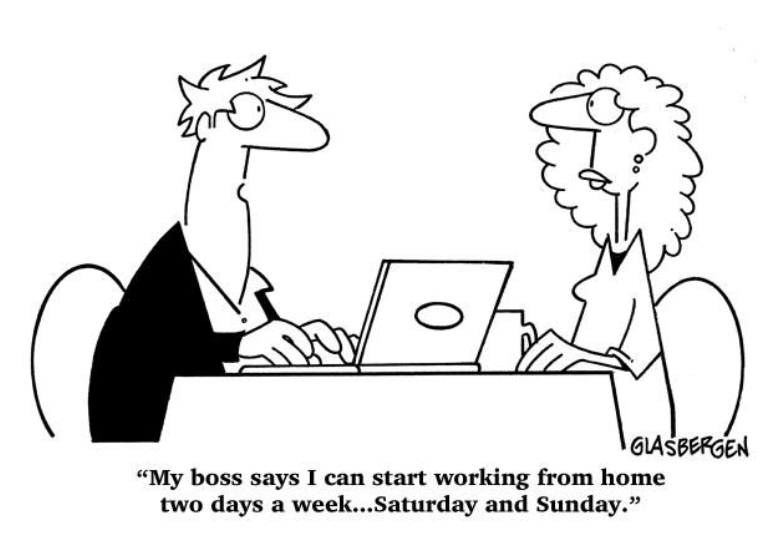
The Future Right to Work From Home
The recent passing of the "right to disconnect" legislation in Australia, which allows employees to ignore work-related communications outside of business hours, has sparked discussions about the next potential battleground for workers' rights: the right to work from home.